
The Future of HR and AI: Evolving Skills for a New World of Work
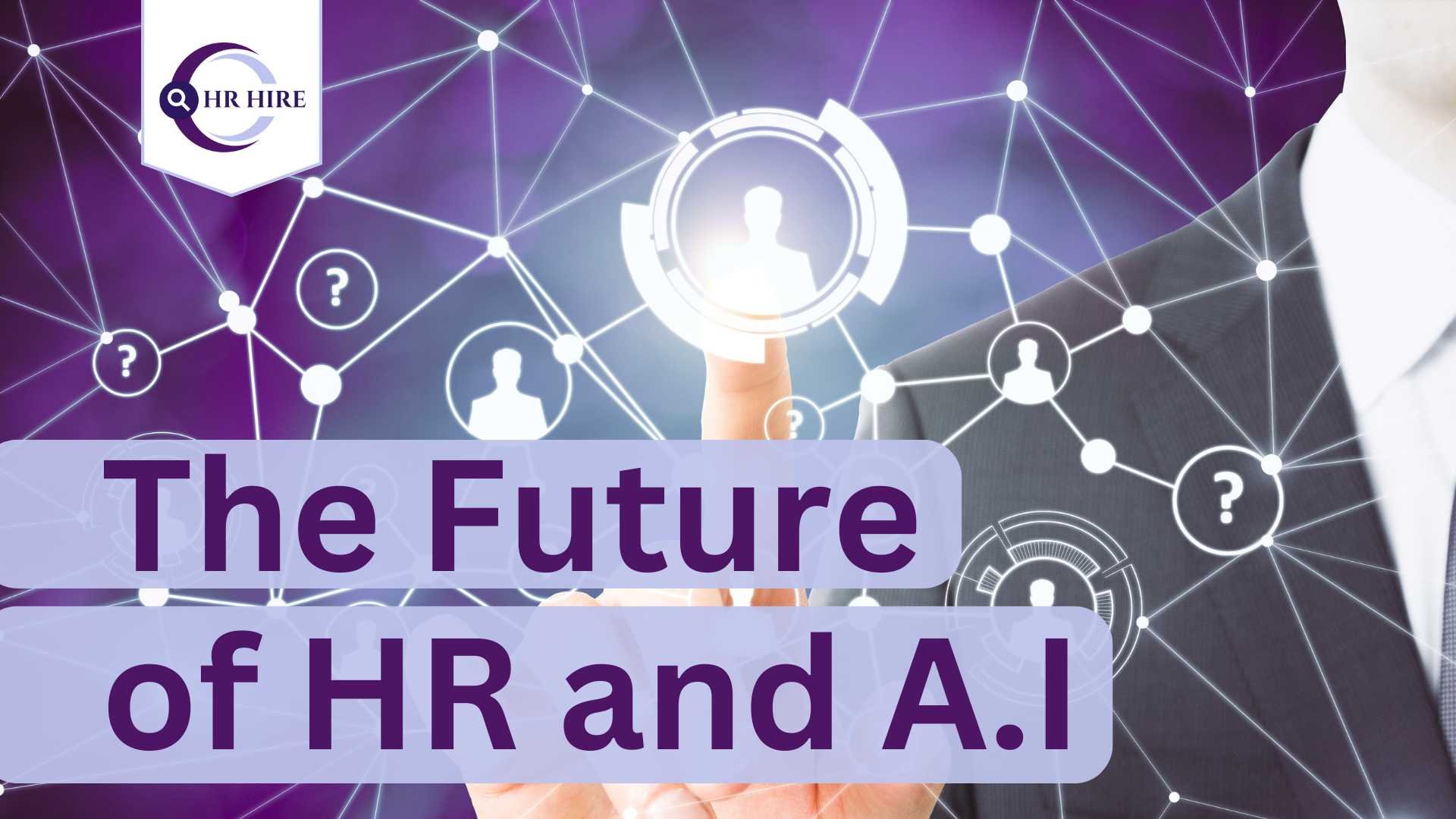
The Future of HR and AI: Evolving Skills for a New World of Work
Last Updated: March 2026
Irish HR teams continued to accelerate their adoption of AI throughout 2025; automation, analytics, and digital HR tools reshaped how organisations hire, develop, and retain talent. Entering 2026, the HR profession is undergoing a profound shift; AI is transforming core HR functions while elevating the need for human‑centred leadership, ethical decision‑making, and advanced digital capability. HR professionals who combine tech fluency with emotional intelligence, strategic thinking, and adaptability are now essential for guiding organisations through workforce transformation. The future of HR in Ireland belongs to leaders who can harness AI responsibly while championing the human experience at work.
As A.I continues to accelerate across global industries, few sectors are undergoing as significant a transformation as Human Resources.
In Ireland, HR professionals are already witnessing the effects of A.I on talent acquisition, performance management, learning and development, and strategic workforce planning. But beyond tools and technologies, A.I is prompting a deeper shift in the nature of work itself and the skills HR professionals need to navigate and lead this change.
| Over 30% of jobs could be at high risk due to AI and automation. |
According to the OECD, Ireland is among the countries with the highest potential for automation in its workforce, with estimates suggesting over 30% of jobs could be at high risk due to AI and automation (OECD, 2023).
This presents a challenge, but also an opportunity: to reimagine HR as a function not just of operational delivery, but of human-centred innovation. AI is not replacing HR; it’s enhancing it. The future will belong to professionals who can combine technological literacy with emotional intelligence, agility and foresight.
A 2024 study by CIPD Ireland identified “digital transformation and tech fluency” as a critical capability gap for HR departments (CIPD, 2024). Meanwhile, Enterprise Ireland and Skillnet Ireland have been driving national upskilling initiatives to help organisations adapt. At the same time, ethical considerations and human-centred design are becoming central to HR’s leadership role in guiding responsible AI adoption across organisations.
So, what does this mean for HR in Ireland and how should HR professionals respond?

Key Shifts Shaping the Future of
HR and Skills in Ireland
1. A.I is reshaping core HR functions
Automation is streamlining recruitment, onboarding, benefits administration and employee engagement. A.I Tools now free up HR teams to focus on strategic business partnering but requires a stronger grasp of how these tools work, how to interpret data outputs, and how to manage their ethical implications.
2. A new HR skillset is emerging
HR professionals increasingly need hybrid skills: data literacy, systems thinking, tech fluency, and behavioural science. These are layered on top of foundational capabilities like coaching, communication, and change leadership. A 2023 LinkedIn report highlighted that “HR analytics” and “digital HR strategy” are among the fastest-growing competencies in the profession globally.
3. Reskilling and workforce transformation are strategic priorities
As job roles evolve, so must L&D strategies. Ireland’s National AI Strategy (2021) recognises lifelong learning as a national imperative, and Skillnet Ireland is actively funding enterprise-led training programmes focused on digital transformation. HR is now central to identifying future-critical roles, assessing skill gaps, and designing agile learning ecosystems.
4. Ethics, transparency and inclusion must guide A.I adoption
A.I tools can encode bias or erode trust if not implemented carefully. HR leaders must scrutinise algorithms used in hiring, performance or promotion decisions to ensure fairness, compliance with GDPR, and alignment with company values. The Irish Human Rights and Equality Commission has flagged the need for clearer regulatory frameworks around algorithmic decision-making in employment contexts.
5. Employee expectations are evolving
A.I is also influencing how employees experience work. Personalised learning platforms, digital wellbeing tools and predictive analytics are shaping employee journeys. But employees want transparency, choice and a sense of agency. HR must be the voice of ethics and empathy in tech-driven workplaces.
6. HR’s strategic value is growing
As A.I becomes embedded across business functions, HR's ability to lead cultural change, manage workforce transitions, and build organisational agility is more critical than ever. HR professionals who can combine business acumen with a deep understanding of AI’s impact on people will be essential to organisational success.
7. The role of leadership is being redefined
A.I is not just a tech issue; it’s a leadership challenge. HR must work closely with senior teams to shape AI governance, define new ways of working, and model digital leadership. In this context, HR becomes a change enabler, not just a service provider.

The future of HR in Ireland will not be defined by how many tools we automate, but by how well we adapt — with humanity, agility and purpose. AI will not replace the human in HR; rather, it will elevate it — provided we invest in the right capabilities and lead with insight and ethics.
For HR professionals, this is a pivotal moment. There is a real opportunity to step into strategic leadership, guide ethical AI implementation, and champion the human experience in an increasingly digital workplace. The Irish HR sector, supported by a strong national focus on digital transformation and lifelong learning, is well-positioned to lead the way — but this will require continuous learning, courageous conversations, and a willingness to evolve.
FAQ Section:
1. How is AI changing HR in Ireland?
AI is reshaping recruitment, onboarding, performance management, learning, and workforce planning; it automates administrative tasks and enables HR teams to focus on strategic, people‑centred work.
2. Will AI replace HR jobs?
AI will not replace HR; it will enhance it. Routine tasks may be automated, but human skills such as empathy, coaching, ethical judgment, and leadership remain essential.
3. What new skills do HR professionals need in 2026?
Key emerging skills include data literacy, digital HR strategy, systems thinking, behavioural science, ethical AI governance, and strong communication and change leadership.
4. Why is digital fluency important for HR teams?
HR professionals must understand how AI tools work, interpret data outputs, and ensure technology is used responsibly; digital fluency supports better decision‑making and organisational agility.
5. How can HR ensure AI is used ethically?
By reviewing algorithms for bias, ensuring transparency, aligning AI tools with GDPR, and establishing governance frameworks that prioritise fairness and inclusion.
6. What impact will AI have on employee experience?
AI can personalise learning, streamline processes, and support wellbeing; however, employees expect transparency and choice, so HR must balance technology with empathy and trust.
7. How should HR prepare for workforce transformation?
HR teams should identify future‑critical roles, assess skill gaps, design reskilling programmes, and build agile learning cultures aligned with Ireland’s national digital transformation initiatives.
8. What industries in Ireland are adopting AI in HR fastest?
Tech, financial services, life sciences, and professional services are leading adoption; however, SMEs are increasingly investing in AI‑enabled HR tools as costs decrease.
9. How can HR lead AI‑driven organisational change?
By partnering with senior leadership, shaping AI governance, communicating clearly with employees, and modelling digital leadership behaviours.
10. What is the biggest opportunity AI creates for HR?
AI frees HR from administrative tasks, allowing professionals to focus on strategic leadership, culture, talent development, and building human‑centred workplaces.
To explore the wider trends shaping work and HR in Ireland; visit our full guide; The Future of HR in Ireland
This article is also part of our HR Recruitment in Ireland series; a resource for employers hiring HR professionals.
Want the Best HR Talent?
We’d love to partner with you.
As AI continues to reshape the HR landscape, the need for adaptable, forward-thinking HR professionals has never been greater. At HR Hire, we partner with Irish businesses to identify and place HR talent who not only understand the technology, but know how to use it to drive people-first outcomes. If you’re looking to future-proof your HR function with the right talent, we’re here to help.