
AI and Recruitment in Ireland: What Candidates Expect from Employers Today
Recruitment technology has moved quickly over the past few years. Most HR teams now use software to filter applications, schedule interviews, and handle high volumes of applicants. While these tools save time, job seekers have noticed the change. In Ireland's competitive hiring market, candidates are judging businesses based on how automated their recruitment process feels. At the same time, EU regulations around AI in recruitment require employers to be far more transparent about how technology is used. If you want to keep top talent engaged, it is worth looking closely at your hiring process: Are your recruitment tools helping you connect with good people, or are they causing applicants to drop out?
What is Happening in Recruitment Right Now?
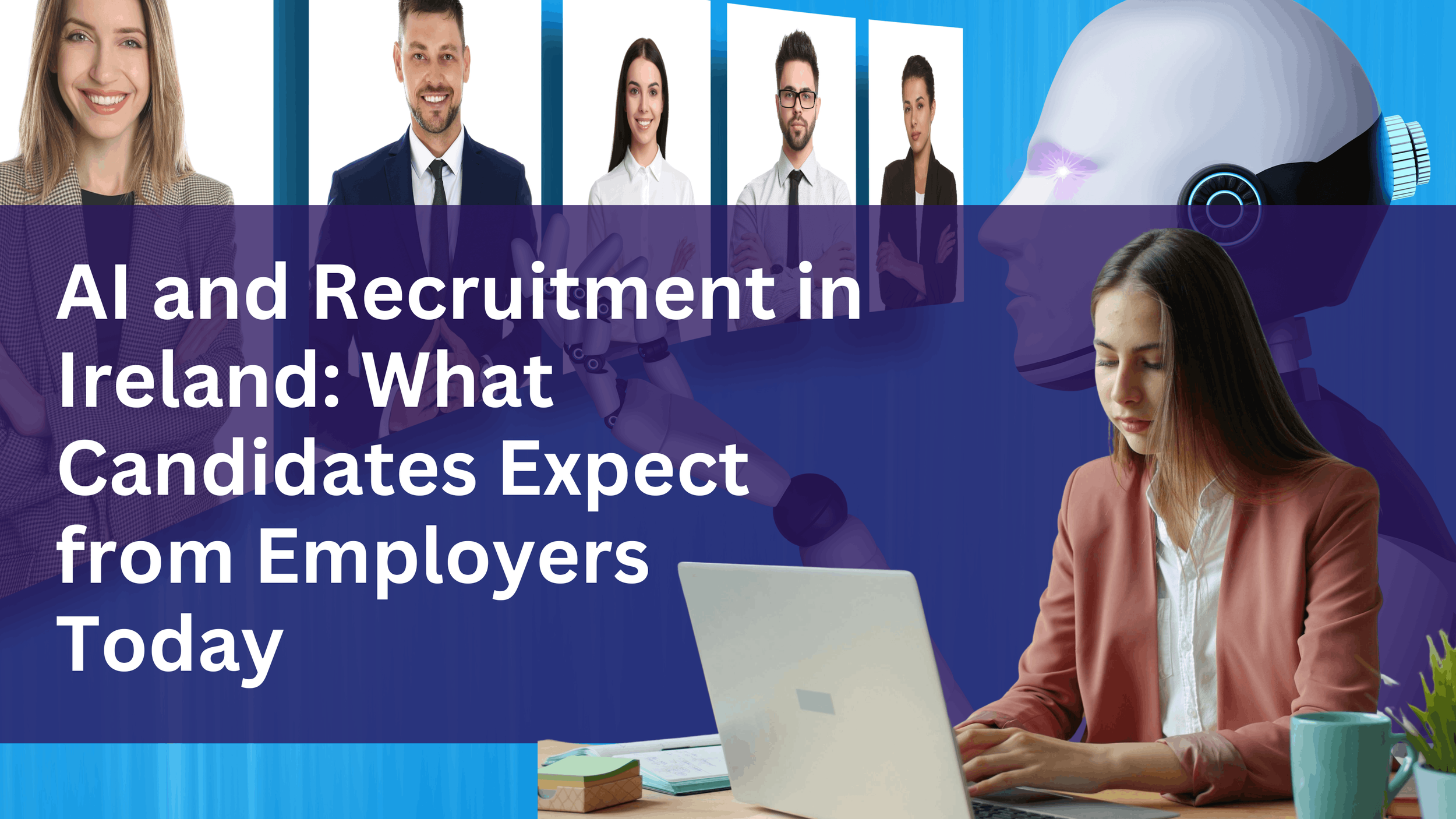
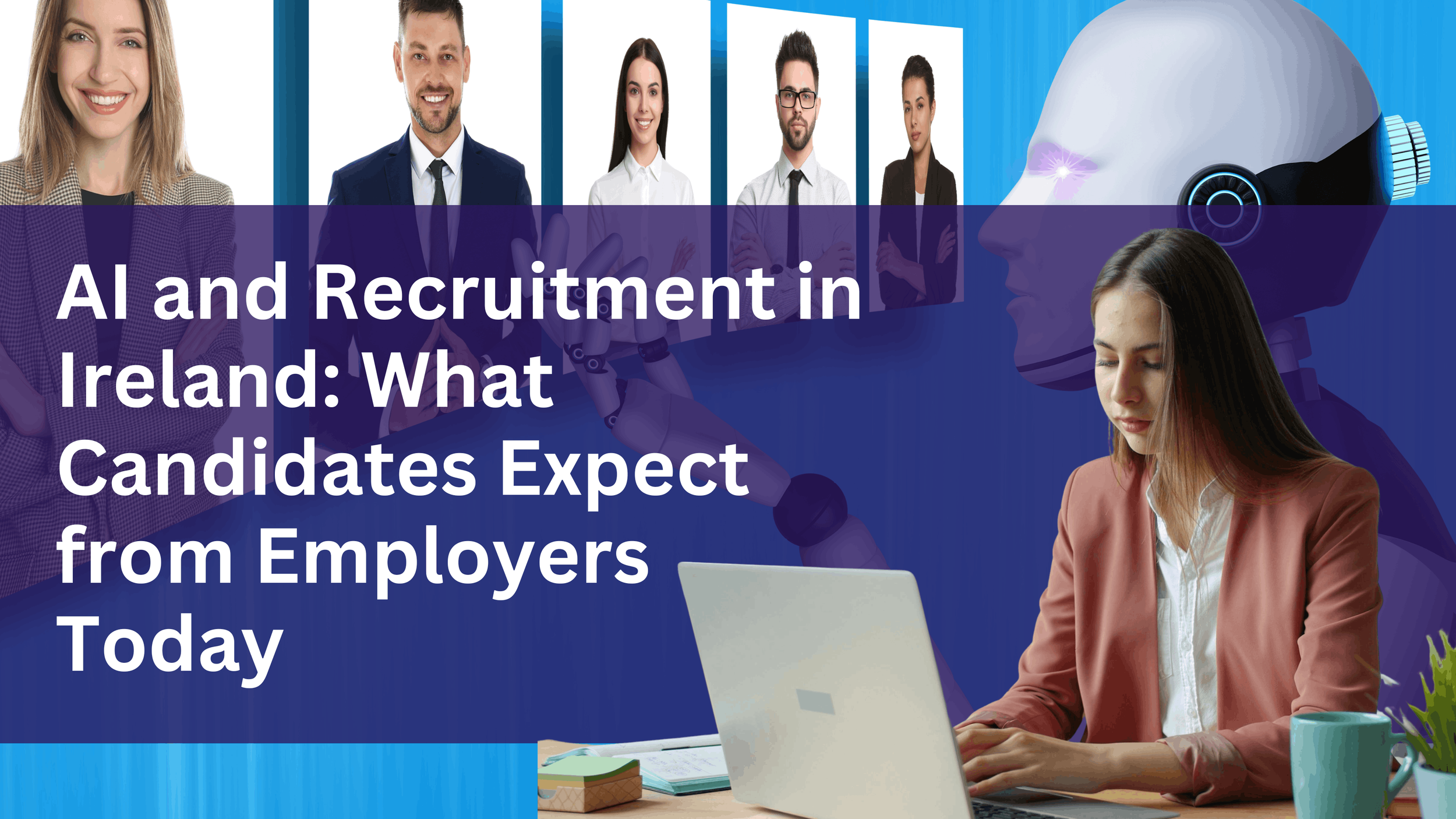
One noticeable shift is that job seekers are using AI just as much as recruiters are. While HR teams use software to scan CVs for keywords, applicants are using tools like ChatGPT to write their CVs, draft cover letters, and prepare interview answers. The result is a process where software is effectively evaluating software.
When hiring becomes completely automated on both sides, the personal connection disappears. Experienced managers and technical specialists often abandon application processes that feel cold or unresponsive.
Things Candidates Expect During the Hiring Process
To maintain a good reputation with job seekers, employers should focus on four straightforward candidate expectations:
1. Clear Information About the Technology Used
Applicants want to know if software is being used to evaluate their application. A brief note explaining how tech fits into your hiring process helps set expectations and builds trust from the start.
2. Human Review on Decisions
Instant, middle-of-the-night rejection emails make applicants feel like no one actually read their application. Candidates expect that final decisions on shortlists and rejections are made by a real person.
3. Data Privacy
Job seekers want reassurance that their personal details, CVs, and interview notes are handled safely under Irish GDPR rules and will not be shared with public AI platforms.
4. Basic, Constructive Feedback
Generic rejection emails offer little value to someone who spent hours interviewing. When software saves your team administrative time, candidates appreciate it when some of that time is used to provide brief, practical feedback.
Comparing Hiring Approaches
Here is a look at how traditional automated recruitment compares to a more balanced, candidate-friendly approach:
| Hiring Stage | Fully Automated Approach | Balanced Approach |
|---|---|---|
| Initial Screening | Strict keyword filters automatically reject resumes with non-standard formatting or career gaps. | Software highlights matching skills, but a recruiter checks rejections before they are sent. |
| Updates & Tracking | No communication for weeks, followed by a system rejection email. | Regular updates showing candidates where their application is in the review process. |
| Assessments | One-way video interviews recorded without an interviewer present. | Practical skill tasks combined with direct conversations with the team. |
| Candidate Feedback | Standard automated rejections or no response after an interview. | Brief, clear feedback provided to candidates who made it to the interview stage. |
Practical Steps to Improve Your Hiring Process
You do not need to replace your existing software to make your process feel more human. A few small adjustments can make a big difference:
1. Check Your Software Settings
Review your ATS filters to make sure they are not overly strict. Rigid keyword matching often eliminates good candidates simply because they formatted their CV differently or have a gap in their work history.
2. Keep Final Decisions Human
Use software to summarize application data or organize tasks, but make sure a person makes the final decision on who gets interviewed or rejected.
3. Use Saved Time for Direct Contact
The main advantage of recruitment software is reducing administrative work. Reinvest the time you save back into direct communication, like making a quick phone call to shortlisted candidates or answering questions about the role.
Frequently Asked Questions (FAQ)

Is AI screening in recruitment legal under Irish employment law and EU regulations?
Yes, using AI for candidate screening is legal in Ireland, provided it complies with Irish employment equality law, Irish GDPR, and the EU AI Act. However, AI tools cannot make autonomous, unmonitored hiring decisions. Under Irish law, final shortlisting and hiring choices must involve human oversight, and the software must not cause indirect discrimination against protected groups under the Employment Equality Acts 1998–2024.
What does the EU AI Act require Irish employers to tell candidates about AI screening in 2026?
Under Article 50 of the EU AI Act, employers must clearly inform job applicants if they are interacting with an AI system or if automated tools are being used to process, evaluate, or rank their applications.
This transparency obligation means:
You should include a brief disclosure notice in job postings or application portals.
You cannot hide AI screening clauses inside length, obscure privacy notices.
You must explain in plain language how candidate data is reviewed and reassure applicants that human recruiters make the final hiring decisions.
Can an applicant file a Workplace Relations Commission (WRC) claim over an AI recruitment decision?
Yes. If an AI screening tool penalizes candidates based on protected grounds (such as age, gender, disability, race, or family status), the employer can be held liable for indirect discrimination at the Workplace Relations Commission (WRC).
Candidates can submit a claim to the WRC within six months of the discrimination occurring. If the WRC finds that an uncalibrated or biased algorithm unfairly filtered out an applicant, compensation awards for recruitment discrimination can reach up to €13,000.
Is emotion-recognition AI or facial analysis allowed in video interviews in Ireland?
No. Emotion-recognition software and facial micro-expression analysis in workplace and recruitment settings are strictly prohibited across the EU.
Prohibitions under Article 5 of the EU AI Act ban tools that infer emotional states or personal traits from video footage or voice tone during hiring. Irish employers using video interview software must ensure all emotion-tracking and facial-analysis features are permanently disabled.
When do the full "High-Risk" compliance rules for recruitment AI take effect under the EU AI Act?
Full conformity assessments, formal bias-auditing, and technical documentation requirements for high-risk employment AI apply from 2 December 2027 (following updates under the EU Digital Omnibus package).
However, employers should not wait until 2027 to prepare. Mandatory AI literacy rules for HR staff, prohibitions on emotion recognition, and candidate transparency disclosures are already active.
How can Irish employers ensure their Applicant Tracking System (ATS) does not cause indirect discrimination?
To prevent algorithmic bias in your hiring pipeline:
Audit ATS Keyword Filters: Remove rigid filters that automatically discard candidates for career gaps, non-standard CV formats, or non-traditional education paths.
Conduct Vendor Due Diligence: Ask your software provider to provide written evidence of how their models test for demographic bias and handle candidate data under GDPR.
Maintain "Human-in-the-Loop" Oversight: Require a human recruiter to double-check and sign off on all candidate rejections before notification emails are dispatched.
Document Decision Logic: Keep clear records of your shortlisting criteria so you can explain why specific candidates were advanced or turned down if challenged.
Are candidates allowed to use AI tools (like ChatGPT) to write their CVs and application answers?
Yes, candidates are increasingly using generative tools to draft cover letters, polish CV formatting, and prepare interview responses.
Attempting to screen out or penalize applicants for using AI assistance is generally unworkable and often leads to false positives. Instead, employers should adapt their selection process by placing greater weight on practical skills assessments, live scenario discussions, and structured interviews where an applicant’s actual capability and problem-solving can be evaluated directly.